The Adventure Begins—Finding Our Yukon Delta
We have been sailors and boat owners for many years. During that time, we have owned both monohulls and catamarans and have enjoyed countless adventures on the water. Sailing has always been an important part of our lives, but we have reached the age when raising sails, handling lines, and managing a traditional sailboat have become more physically demanding than they once were.
We were not ready to give up boating or exploring, so we began looking for a different kind of adventure.
Some people call them shanty boats, houseboats, or camping boats. Whatever name you choose, the idea is much the same: a comfortable and practical boat that provides living space while still allowing its owners to travel and enjoy life on the water.
A pontoon boat is a popular choice for this type of project, and we considered that option. However, I wanted something capable of handling moderate waves while still having the squared-off shape and interior room needed to create a small floating home.
That search led us to the Yukon Delta.
There are still quite a few Yukon Delta boats available. Nicely restored examples commonly sell for between $15,000 and $25,000, but I have always enjoyed building, restoring, and improving things myself. One of our previous catamarans, for example, came to us without a mast and still needed extensive varnishing and finishing. We completed that work ourselves and turned it into a boat we could enjoy.
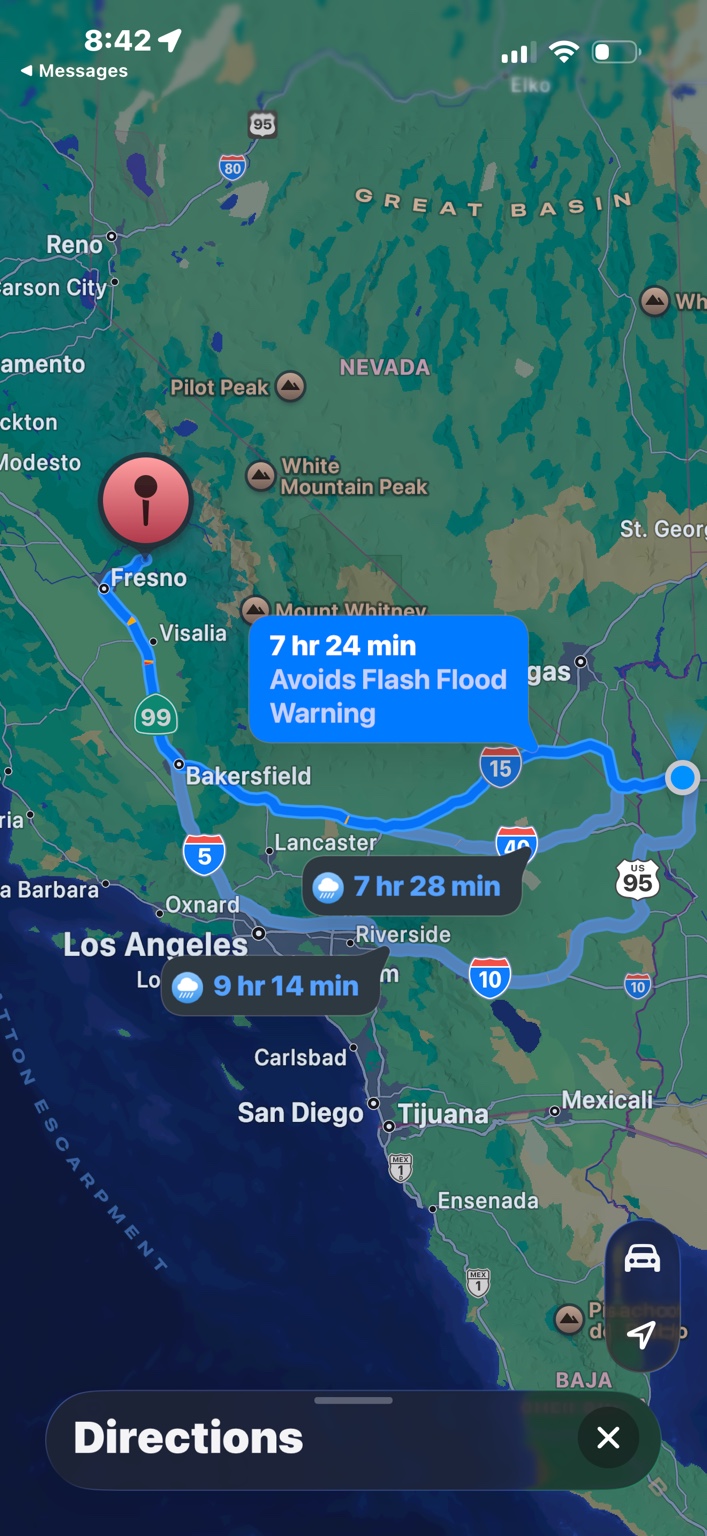
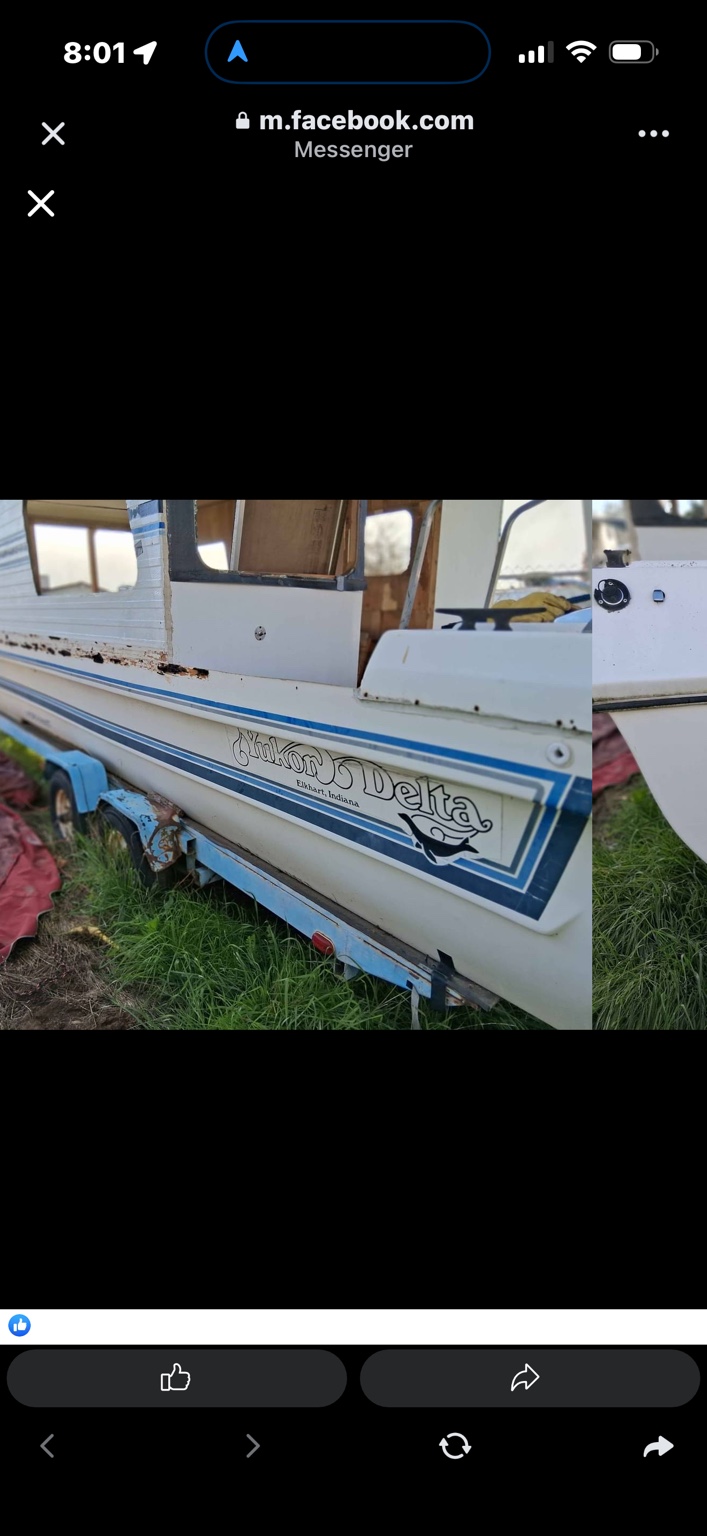
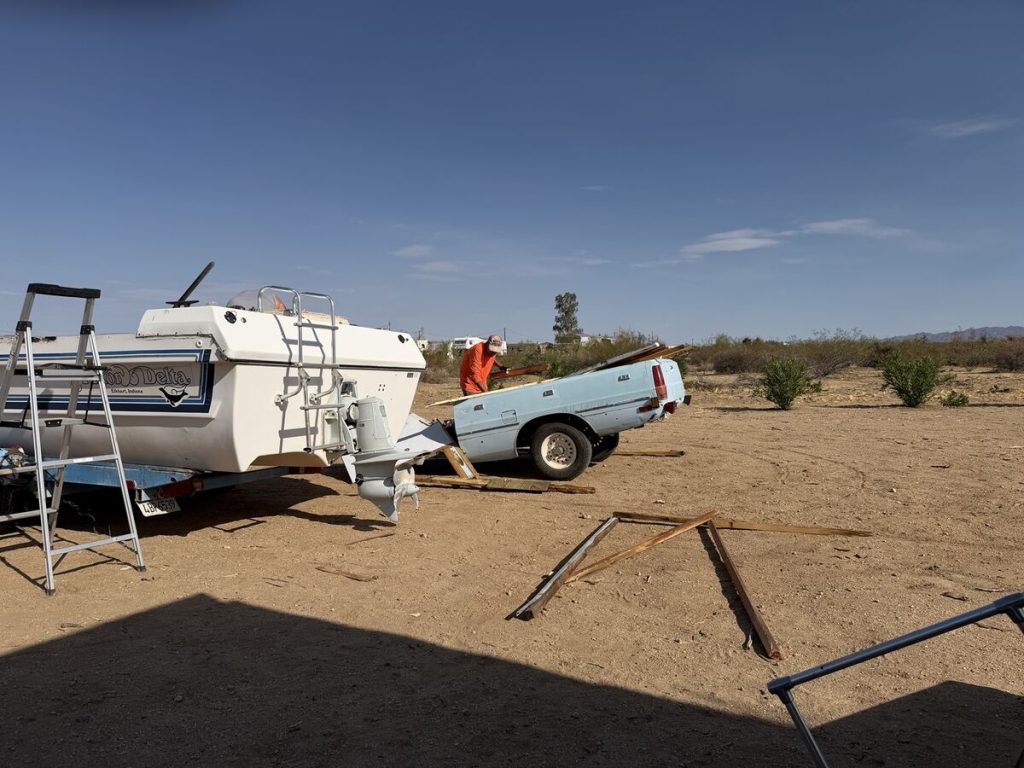
Eventually, I found a 25-foot Yukon Delta in Fresno, California. Even better, it came with a trailer specifically built for the boat. The seller was asking $2,000 for the complete package. After talking and negotiating, we agreed on a price of $1,500.
With cash in hand, I made the long drive to Fresno to see it.
When I arrived, there it was—the boat that would soon become the Yukon Delta Nomad.
As I inspected the boat and spoke with the seller, I learned more about its history. A previous young owner had already completed some of the hardest and least enjoyable work. Older boats of this type frequently have waterlogged flotation foam beneath their floors. Removing that soaked foam and rebuilding the structure can be an enormous and unpleasant job.
Fortunately, that work had already been done. The old material had been removed, the bottom and floor had been repaired, and the area had been fiberglassed, sealed, and closed in.
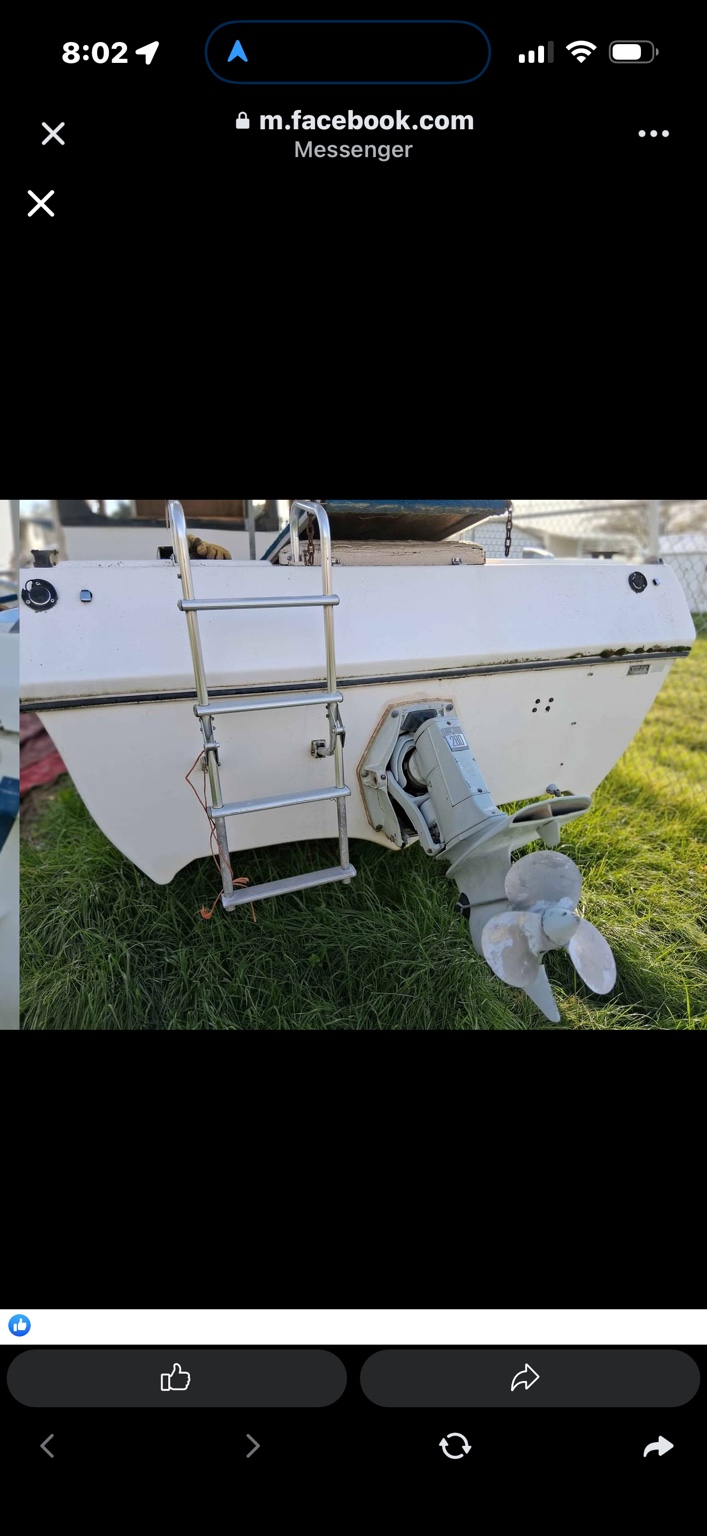
The mechanical condition was another pleasant surprise. The boat is powered by a Volvo Penta AQ145 engine connected to an AQ280 outdrive. The previous owner had gone through both units, replacing gaskets and bellows. The engine and outdrive appeared remarkably clean and well cared for.
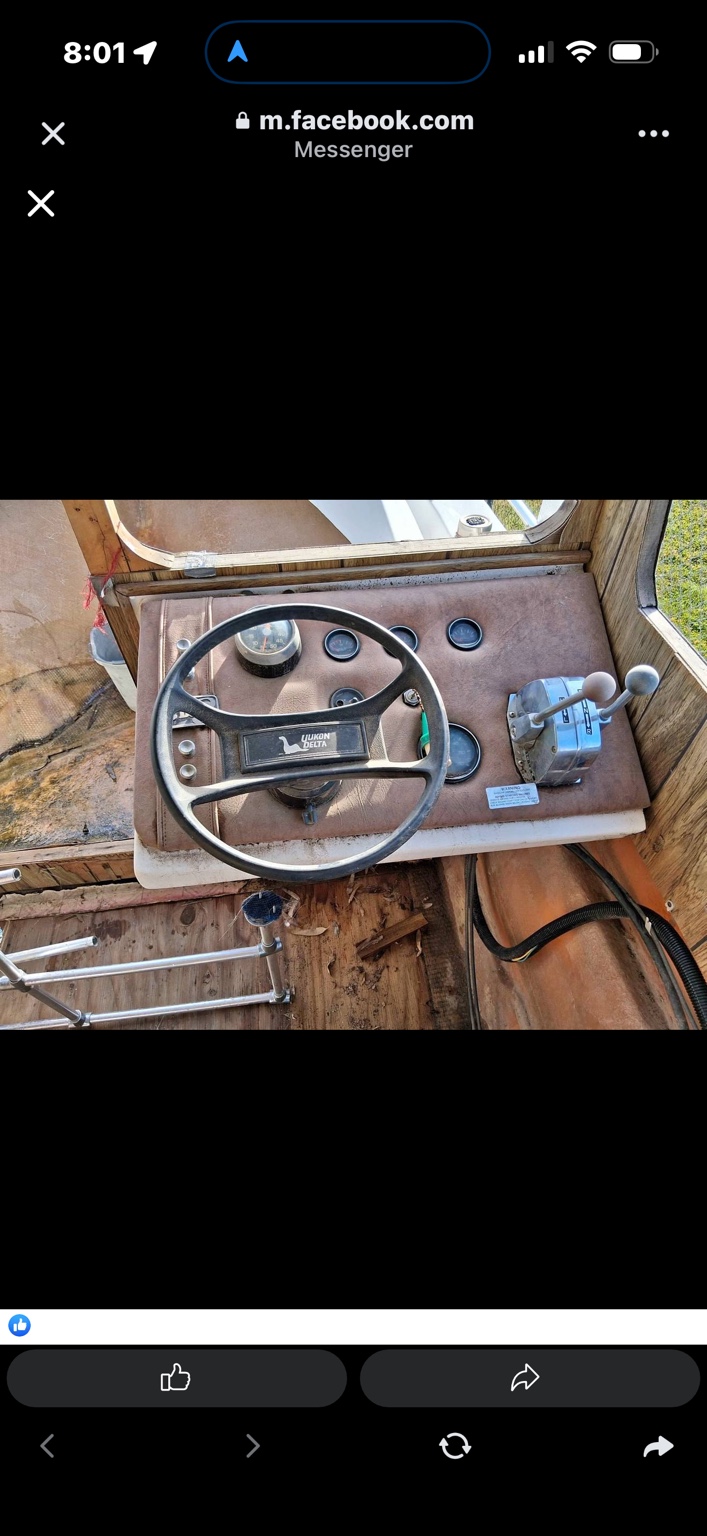
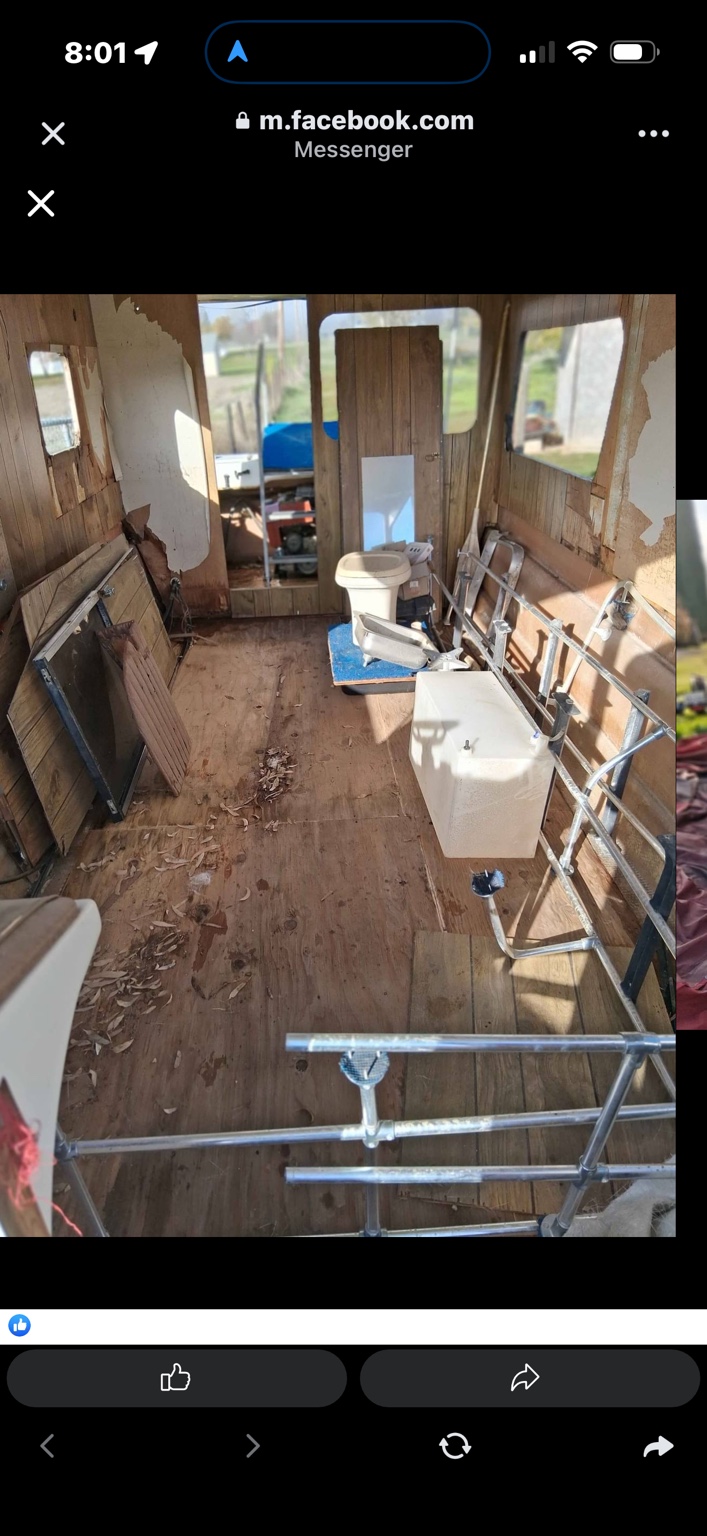
The boat was missing a few components, and much of its wiring was loose inside the hull. The cabin, however, was in horrific condition and clearly needed to be completely rebuilt.
After a great deal of research—and plenty of back-and-forth planning with ChatGPT—we decided the project was worth taking on. The damaged cabin did not frighten us because rebuilding it would allow us to design the interior and exterior around the way we intend to use the boat.
The package had several important advantages:
- The hull was in very good condition.
- The difficult floor and flotation repairs were already completed.
- The engine and outdrive were clean and appeared to be in good condition.
- The trailer had serviced wheel bearings and new tires.
- The trailer was built specifically for this boat.
The trailer still needed to be rewired, but even that had an advantage: we could install a completely new wiring and lighting system rather than trying to repair old, questionable wiring.
By the end of that long day, the deal was complete. For $1,500, we had purchased a solid 25-foot Yukon Delta, its matching trailer, a good engine and outdrive, and the foundation for an entirely new kind of boating adventure.
The cabin may have looked terrible, but we could already see what the boat might become.
This was the beginning of the Yukon Delta Nomad.